Four departments, one mission.
Everything Mission of Reconciliation does runs through four main departments — each one aimed at the same goal: bringing people from darkness into the light of Jesus.
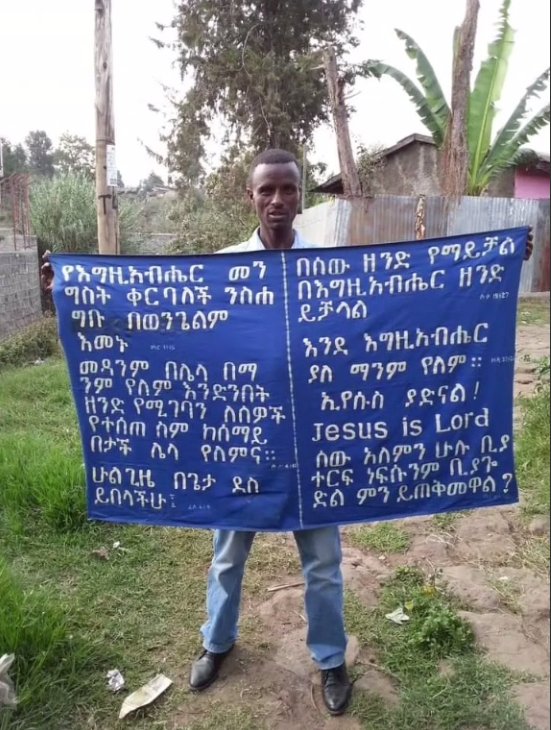
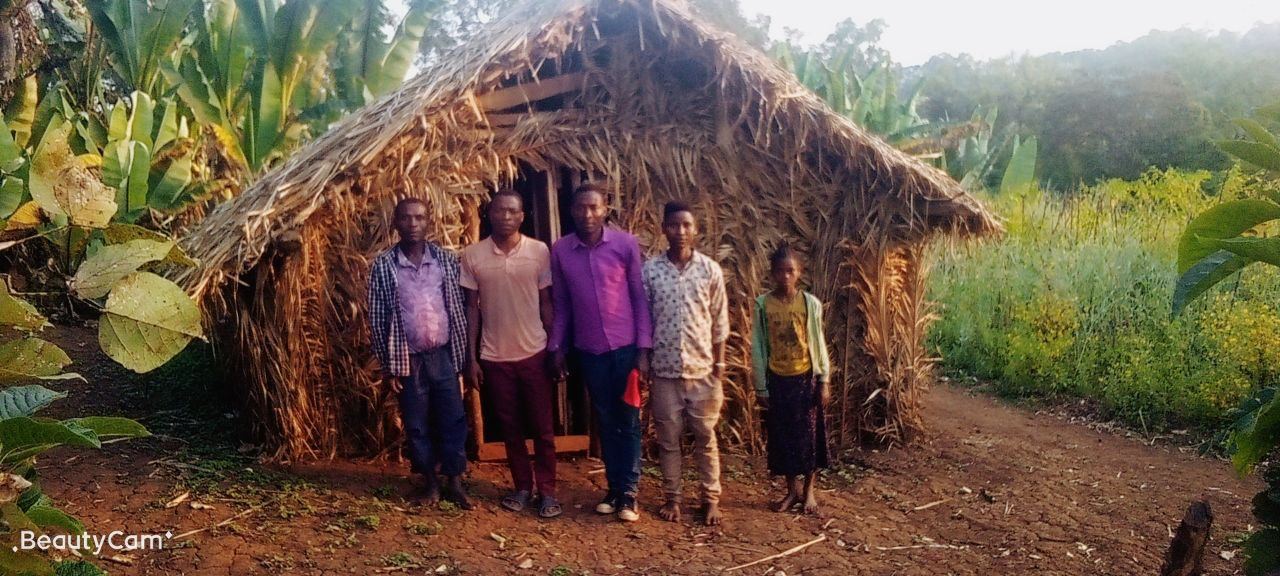
It starts with prayer. The team prays until a clear direction from God points to a specific region, then visits that place and prayerfully assesses how much of the Gospel, if any, is already there — asking God for direction, and for a church to be planted.
Missionaries are trained before they're sent, since going to a place with nothing is not the same as ordinary ministry. Once sent, a missionary starts from scratch: preaching until souls are saved, and people begin offering their own land, homes, or whatever space they have to meet in — the church has never had to buy land to plant a new congregation. Resources are then sent to build a permanent church.
The first missionary sent under this model was Sultan Anshiso, deployed to Alaba — where, within two months, eight people from the Muslim community came to the Lord. They were taught salvation, baptized, and handed over to Meserete Kristos Church; most are still serving in ministry today.
Once a church is established, it manages itself — and it does not send money back to the head office. God specifically told Bizuayehu not to collect from branch churches, since reaching every nation isn't possible if churches spend their energy sending funds inward instead of sending people outward. What the head office expects instead is that each church becomes independent and starts sending out missionaries of its own. Multiplication, not collection, is the ultimate goal. This is already bearing fruit in Bonga, where a single missionary from the Manja community sparked a movement that continues to plant a new branch church roughly every six months — four branches in 2015 E.C. alone.
The hardest struggle in this whole mission is in Muslim-majority regions: when one soul is found there, everything available is invested in that person so they can go on to plant a church, and the pressure that follows a conversion like this can be intense. A second, equally difficult field is areas shaped by heavy witchcraft — a ministry Bizuayehu's husband leads directly, going in to pray, preach the Gospel, and bring saved souls into the church. In one such community, God redirected the focus toward the children first, and a church took root from there. One example is Ajanba Jemo Mountain, near Addis Ababa — an area once given over entirely to pagan worship, where two years of costly, sustained prayer saw witchcraft uprooted and churches planted in its place. Elsewhere, at Tafo Mebrate, planting a church came at the cost of open persecution — stones thrown through corrugated iron roofs, danger even to pregnant women — until the work was interrupted by COVID-19.
Photos from Sending Missionaries Department
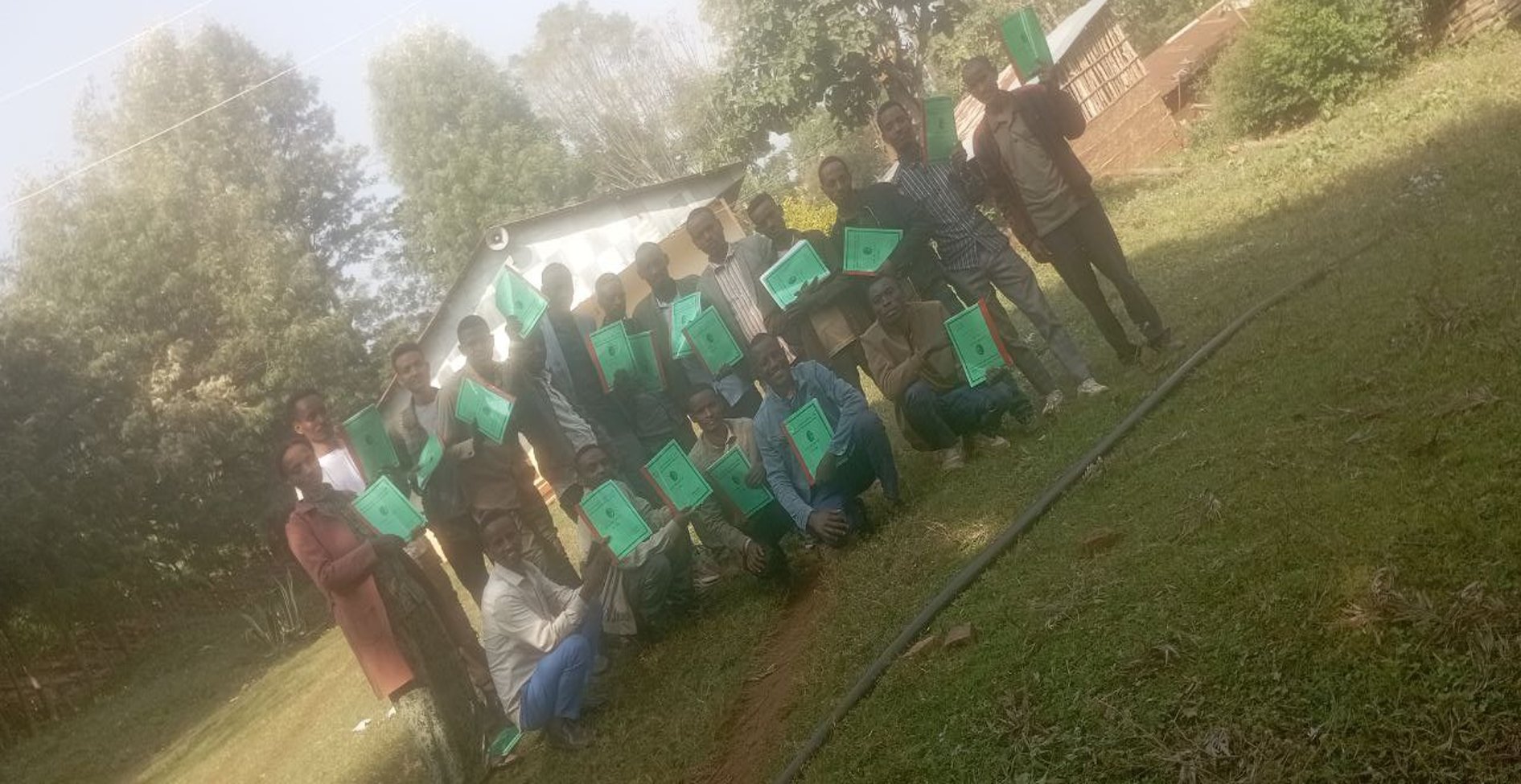
The Gospel needs a heart, not just a smart mind. The long-term aim is to train from certificate level all the way up, preparing missionaries in Bible knowledge so the mission can reach other countries across Africa and beyond — including the languages and cultures a missionary will need for their specific appointment.
Right now, this looks like training missionaries directly, and training other churches to focus on the Gospel and on how to send missionaries of their own. The plan going forward is to open a full college with an attached dormitory in Addis Ababa, since most missionaries come from regional areas with nowhere to stay while they train.
Theology College Board Members
Photos from Theology College Department
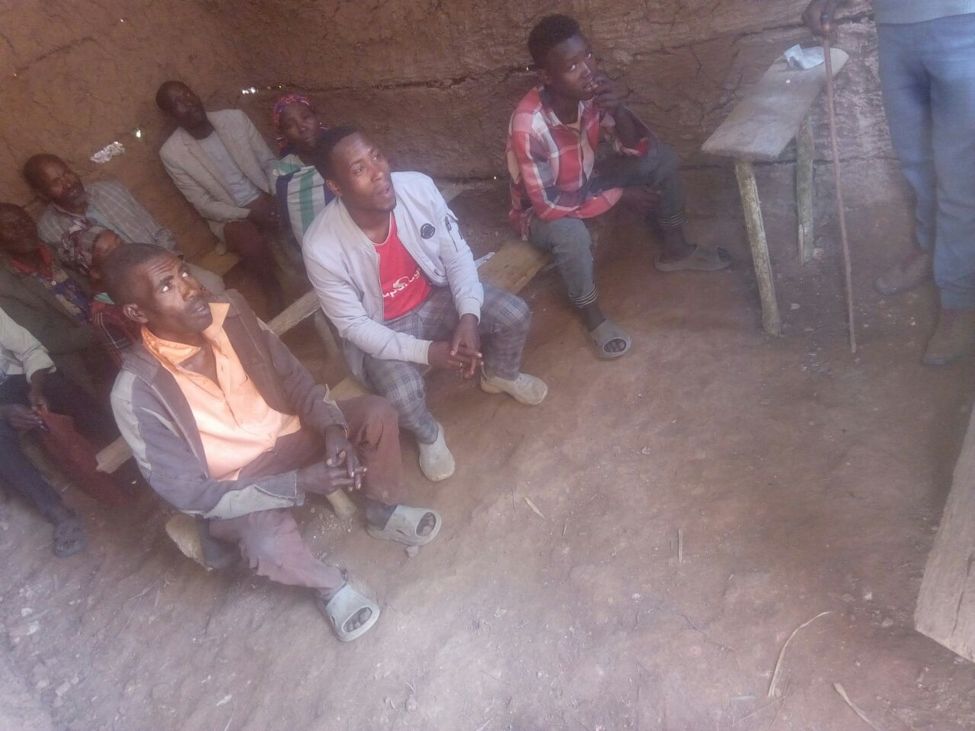
"If a brother or sister is naked and destitute of daily food... and you do not give them the things which are needed for the body, what does it profit?" (James 2:15–16). Children are taught the Bible, with an eye toward shaping a missionary mindset from an early age. Schools are built in areas where children are rarely encouraged past the 7th grade — staffed by missionaries who teach both a full education and the Bible, and who preach the Gospel alongside it. In Alaba's Ololoka Kebele, this looked like enrolling 50 students with a full set of school supplies, and providing materials to 34 additional needy students and 3 children of ministers. A separate distribution brought a full 100kg sack of donated shoes to women, children, and the elderly.
Elders are taught to read and write, since gospel materials and brochures are of little use to those who can't yet read them. Clinics are still on the list, not yet finished. A bridge project over the Blate River in Alaba — a crossing many residents depend on — has begun, with cement and a mason brought in to start construction. All of it is meant to open ears to the Gospel that would otherwise stay closed.
Students are chosen by need, not merit: the lowest grades, the lowest-income families. The real issue behind a struggling student — a family problem, a trauma, a lack of income — is identified through counseling first, and tuition is covered directly once it is.
Photos from Compassion Department
Reaching people before they lose their mind to grief or crisis — through personal counseling, marriage counseling, and a transformation of the mind rooted in the Word of God. This also includes supporting single mothers with daycare for their children, so they're free to go and work.
Whatever the department, the goal is the same — to bring people from darkness into the light of Jesus.
Also active in
Specific programs carried out through the departments above.
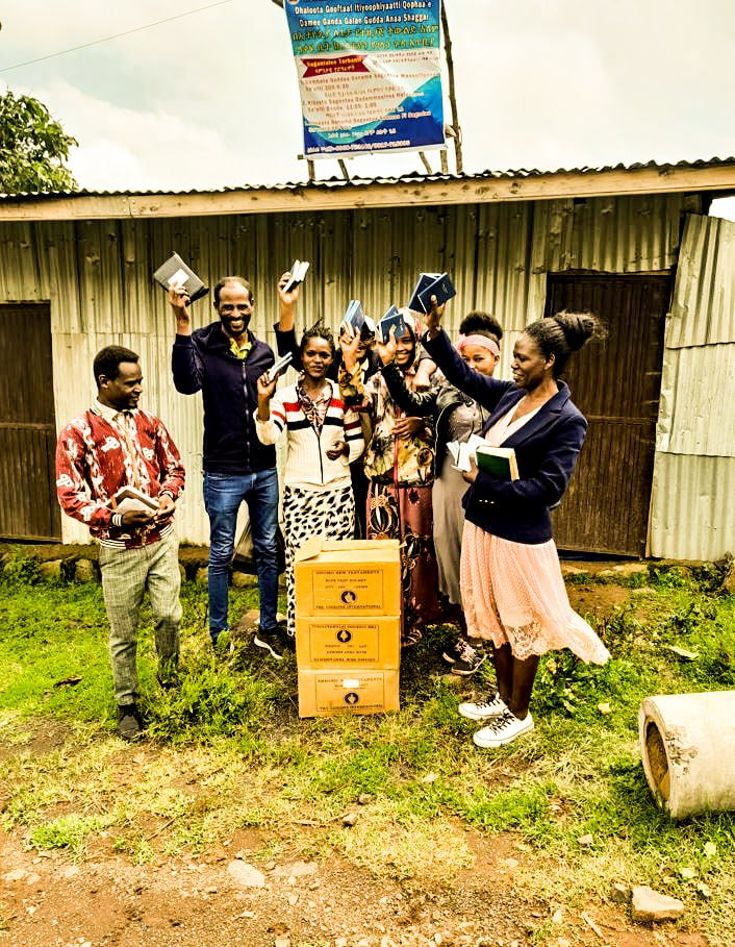
Gospel Outreach Ministry
Trained gospel messengers carry out 4–7 days of outreach in key areas, then hand the newly found souls to nearby local churches to be discipled and established.
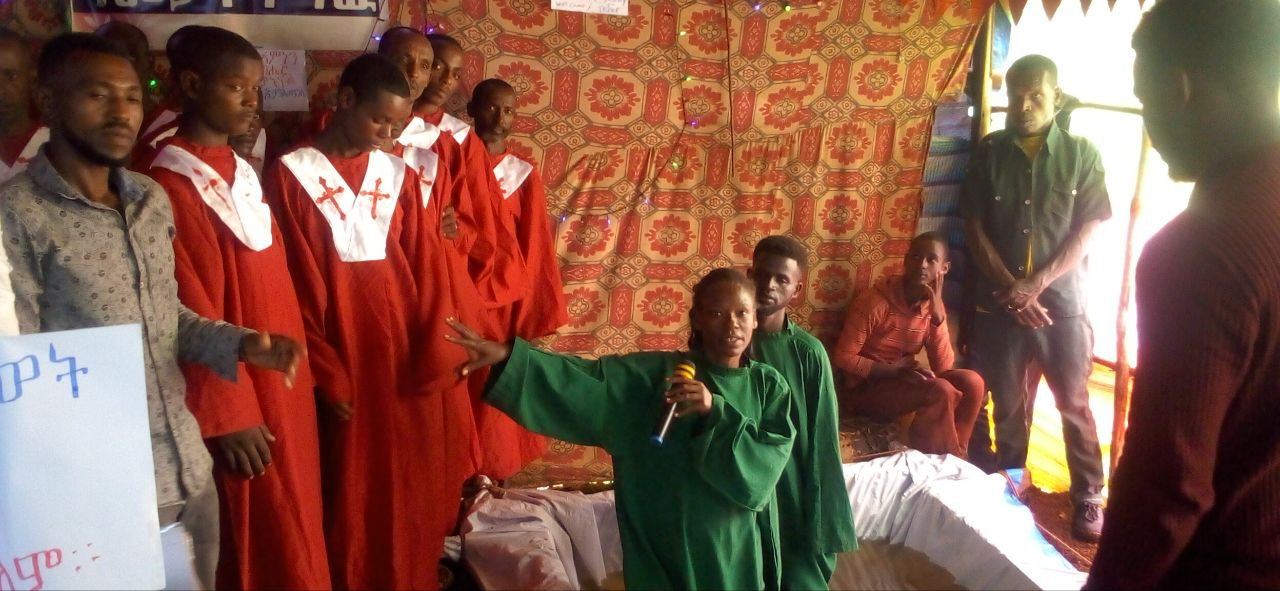
Prison Ministry
An ideal environment for training, teaching salvation, baptizing, and discipling people who are ready and gathered in one place. At Debre Birhan Correctional Facility, this has meant bringing hygiene supplies, water jerrycans, clothing, Bibles, and tracts for inmates, and training believing inmates to reach their fellow prisoners with the Gospel.
Hospital Ministry
Healthcare settings are among the places people are most open to the Gospel. Healthcare workers are trained to reach patients and caregivers with the Gospel themselves.
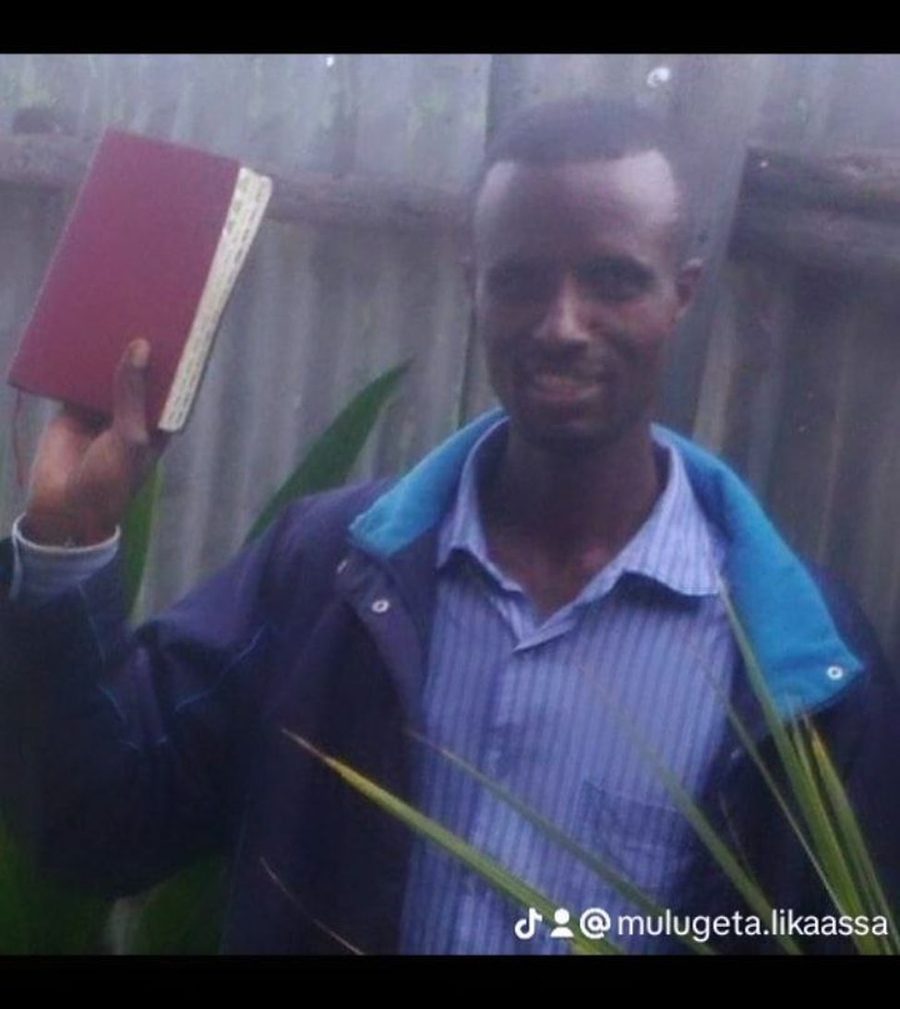
Street Ministry
Expressing the love of Christ two or three times a year by feeding street dwellers and sharing the Good News, and praying for those who need deliverance.
Four ways to take part
The Gospel mission is a house built on three pillars: the Spirit of God, people dedicated to the mission, and financial resources. You can help carry any of them.
Go as a missionary
Offer yourself for local or international sending.
Support financially
Fund the gospel ministry directly, in any amount.
Mobilize resources
Help gather resources for the Great Commission.
Pray with us
Become a prayer partner for the Great Commission.
“How beautiful on the mountains are the feet of those who bring good news, who proclaim peace.”
Isaiah 52:7